Fulham Palace Road resident rubbish and recycling guide
Posted on 18/06/2026
If you live on or near Fulham Palace Road, rubbish and recycling can feel oddly complicated for something so routine. One day you've got a couple of recycling bags and a food caddy; the next, there's a broken chair, a flat-pack box pile, and a bin night that seems to have arrived too quickly. This Fulham Palace Road resident rubbish and recycling guide is here to make the whole thing clearer, calmer, and a bit less annoying.
Whether you're a long-term resident, a new tenant, or someone managing a move, the basics matter: what goes where, when it should go out, how to avoid contamination, and when ordinary household collections are simply not enough. You'll also find practical advice on bulky items, appliances, garden waste, compliance, and the easiest way to deal with one-off clear-outs without making a mess of your week.

Why Fulham Palace Road resident rubbish and recycling guide Matters
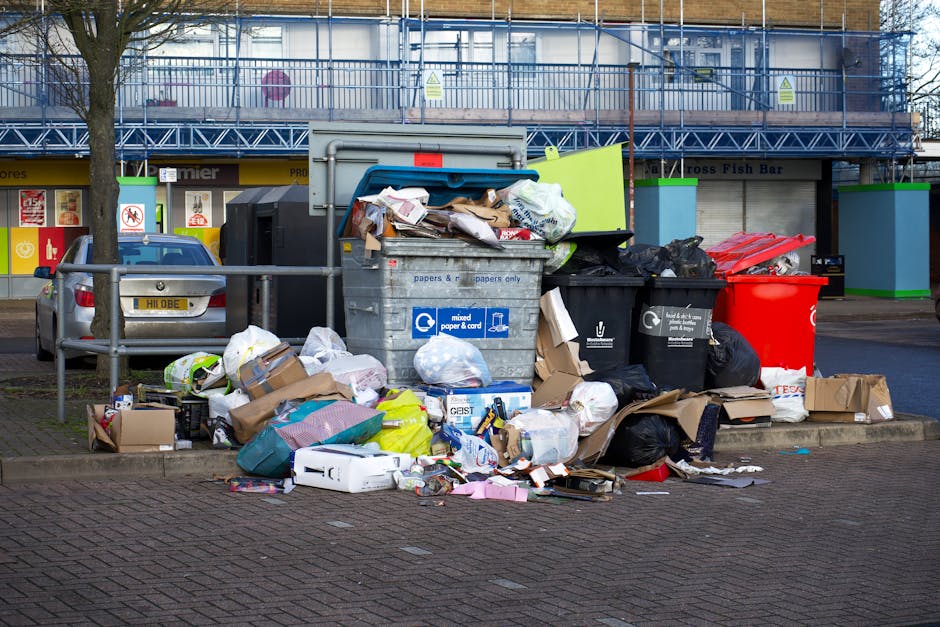
Rubbish and recycling are not just housekeeping chores. On a busy stretch like Fulham Palace Road, they affect kerbside clutter, smells, pests, missed collections, and how pleasant the street feels day to day. They also affect you directly. If waste is sorted badly, bags can be left behind, recycling can be rejected, and bulky items can sit around far longer than you'd like.
That sounds minor until you're the person stepping over packaging in the hallway or trying to park a pram past an overstuffed bin. Let's face it, rubbish never feels urgent until it suddenly does.
The guide matters for another reason too: different waste types need different handling. Glass, cardboard, food waste, textiles, electrical items, renovation debris, and garden cuttings all behave differently in collection systems. A clear routine saves time, reduces contamination, and can make disposal cheaper and simpler when you need a private collection. For many residents, the real benefit is peace of mind. You know what to do, and you don't have to guess.
If you are juggling household waste during a move, refit, or clear-out, you may also find it useful to read about rubbish removal in Fulham Broadway and SW6, which covers the kind of one-off jobs that regular bins simply won't handle.
How Fulham Palace Road resident rubbish and recycling guide Works
At a basic level, the system is simple: separate waste into the right streams, store it safely, and present it for collection in the correct way. In practice, though, most people only get tripped up by the little details.
Here is the typical flow:
- Sort waste at the source. Keep dry recycling away from food waste, and separate anything hazardous or bulky.
- Use the correct containers. Bags, boxes, caddies, and bins all have their own role. Overfilling is one of the quickest ways to create a problem.
- Set items out at the right time. Missed collection windows are a common headache, especially where kerb space is tight.
- Keep materials clean enough to recycle. Pizza grease on cardboard, half-full containers, and mixed waste often cause rejection.
- Use a specialist route for awkward items. Furniture, appliances, builders' rubble, and large household clearances usually need a separate collection method.
That final point is where many residents save themselves a lot of trouble. A sofa does not belong in a general bin round. Nor does a fridge, a sack of plaster, or ten black bags left out after a weekend clear-up. If you've ever tried to "just squeeze it into the normal collection," you'll know that rarely ends well.
A useful way to think about rubbish on Fulham Palace Road is this: everyday waste is one job, and bulky or mixed waste is another. Keep them separate and everything becomes easier.
Key Benefits and Practical Advantages
A good resident waste routine gives you more than a tidy pavement. It helps at home, in the building, and in your own head. Slightly dramatic? Maybe. But a clutter-free rubbish routine genuinely makes daily life smoother.
- Less clutter indoors. Waste is dealt with before it starts spreading through the kitchen, hallway, or balcony.
- Fewer collection issues. Correct sorting reduces the chances of contamination or missed pickup.
- Cleaner shared spaces. This matters a lot in flats and converted properties where bins are communal.
- Better recycling outcomes. More material is able to be recovered rather than sent to general disposal.
- Reduced stress during clear-outs. When you know the process, moving house or redecorating feels less chaotic.
- Safer handling of heavy or awkward items. You avoid lifting mistakes, sharp edges, and spill risks.
There's also a financial angle. Sorting waste properly can avoid extra effort later, and using the right collection approach for bulky items is often more efficient than trying to improvise. If you want to understand how a professional service is priced and what affects the quote, the page on pricing and quotes is a sensible place to look.
Practical takeaway: the cleaner you keep your waste streams from the start, the less likely you are to end up with rejected recycling, temporary clutter, or a costly last-minute solution.
Who This Is For and When It Makes Sense
This guide is for anyone living, renting, owning, or managing property near Fulham Palace Road. That includes first-time renters, families in flats, landlords, flat-sharers, and homeowners who are quietly discovering that waste management becomes more interesting once you have stairs, limited storage, or a very small bin area.
It is especially useful when:
- you have more recycling than usual after a shopping delivery or delivery day
- you are moving in or out of a property
- you are decluttering rooms, cupboards, lofts, or storage spaces
- you have furniture or appliances to remove
- you are dealing with builders' waste after a small renovation
- you manage a business or office and need a more formal waste plan
- you share bins with neighbours and want to avoid complaints
Some residents only need the basics. Others need a more structured service, especially if there's a lot of waste in a short time. For example, if you are clearing a flat after a tenancy ends, a simple bag-by-bag approach is often too slow. In that case, a broader solution like house clearance in Fulham or loft clearance support can be much more practical.
And if you run a workplace nearby, the same thinking applies. Office waste is not just a bin-liner issue; it's about confidentiality, recycling consistency, and keeping the premises usable. That's why some businesses prefer office clearance services or ongoing commercial waste removal.
Step-by-Step Guidance
If you want a simple routine, use this sequence. It works well for most homes and small properties, and it keeps you from overthinking the whole thing.
1. Identify the waste type first
Start by asking: is it recycling, food waste, general rubbish, or something special? That one question saves a surprising amount of confusion. Cardboard, paper, tins, glass, and clean plastic packaging usually belong in recycling streams. Food scraps, tea bags, and plate leftovers should be kept separate if you have a food waste container. General rubbish is for the mixed bits that cannot be recycled or reused.
2. Keep recyclables clean and dry where possible
Wet cardboard, sticky food residue, and mixed material often cause problems. A takeaway box with grease on it is not the same as a clean delivery box. If it's lightly soiled, check whether it can be wiped or rinsed. If not, it may need to go in the general waste instead. No need to become a perfectionist, but do give it a quick reality check.
3. Flatten and fold bulky packaging
Large packaging is a space thief. Flatten boxes, nest smaller cartons inside larger ones, and break down delivery packaging before collection day. This helps make use of storage space and keeps shared bin areas less chaotic.
4. Store waste safely until collection
Keep bags sealed, avoid leaking containers, and do not leave food waste exposed. On warm days, things can get unpleasant very quickly. A bin store that smells by mid-morning is no one's idea of a good time.
5. Set out waste correctly
Use the agreed collection point, and don't overfill containers. If you live in a building with shared bins, make sure lids close properly. Open lids attract pests and invite fly-tipping from passers-by. It sounds obvious, but the obvious bit is exactly where people trip up.
6. Choose a specialist route for bulky or hazardous items
Furniture, mattresses, appliances, builders' waste, and electrical items usually need a separate disposal route. Don't leave them beside a communal bin and hope for the best. A dedicated service for furniture removal, white goods and appliance disposal, or builders' waste disposal is usually the cleaner option.
Expert Tips for Better Results
Small habits make a big difference. You do not need a complicated system, just a reliable one.
- Create a two-bag setup indoors. One bag for recycling and one for rubbish reduces sorting mistakes later.
- Keep a small caddy for loose recyclables. It prevents bottles, cans, and paper from wandering all over the kitchen.
- Rinse only when needed. Light cleaning helps, but don't waste water scrubbing everything. A quick scrape is often enough.
- Unpack deliveries promptly. Cardboard mountains form fast, especially after a busy weekend.
- Plan around your storage space. If you live in a flat, a large item should be booked out quickly rather than parked in the hallway "for later." Later tends to become never.
- Keep a list of awkward items. When you know a chair, kettle, and old fan are all on their way out, you can handle them together instead of in three separate trips.
If you care about sustainability, it is worth looking at the website's recycling and sustainability information too. That helps you think beyond disposal and towards the full life cycle of the items you throw away. A bit idealistic, maybe, but useful nonetheless.
One more thing: if you are doing a clear-out in stages, label your piles. "Donate," "recycle," "remove," and "bin" are far better than a vague corner full of "things." Trust me, that corner gets mysterious by day three.
Common Mistakes to Avoid
Most waste problems are avoidable. They usually happen because people are rushed, tired, or working around limited space. Very normal, really.
- Mixing recyclables with food waste. One greasy container can spoil a whole batch.
- Leaving black bags beside overfull bins. That often leads to mess, complaints, or missed pickup.
- Putting electrical items in general rubbish. Small appliances and electronics often need separate handling.
- Forgetting about mattresses and upholstered furniture. These can be awkward to move and even more awkward to dump incorrectly.
- Ignoring timing. If you put waste out too early, it can attract animals or become a nuisance to neighbours.
- Assuming every item can go in the same collection. It cannot. Not even close.
A common local scenario is the "halfway move." You've sold the bed, the old wardrobe is gone, but there's still a pile of packaging, screws, and a bedside table hiding in the corner. That is the moment to slow down and separate the waste properly before it becomes a bigger job. Small pause. Worth it.
Tools, Resources and Recommendations
You do not need fancy equipment to manage domestic waste well, but a few practical tools help a lot.
| Tool or resource | Best use | Why it helps |
|---|---|---|
| Kitchen caddy or small food container | Food scraps and daily kitchen waste | Keeps organic waste separate and easier to carry |
| Foldable recycling box | Paper, cans, and clean packaging | Makes sorting simple in tight flats |
| Heavy-duty sacks | General rubbish or mixed loose waste | Reduces tearing and spill risk |
| Labelled sorting bags | Clear-outs and move days | Stops items being re-mixed after you've sorted them |
| Professional collection service | Bulky waste, appliances, clearance jobs | Saves time and handles awkward lifting |
If you need a broader overview of available support, the services overview page can help you map which type of collection fits which kind of waste. And if you're comparing how a local collection is handled versus a bigger one-off clearance, the rubbish collection service and the broader waste disposal option are both worth understanding.
For residents who care about provider standards, it is also sensible to look at practical trust pages such as waste carrier licence and compliance, insurance and safety, and about us. Those pages help show how a service is run, which matters more than people sometimes think.
Law, Compliance, Standards, or Best Practice
Waste disposal in the UK is not something to be casual about. At a practical level, residents should make sure waste is presented safely and responsibly, and that any private collector they use is properly licensed and follows accepted handling standards. If you hand waste to the wrong operator, you can end up tied to a fly-tipping problem that was never yours in the first place. Not fun. Not worth it.
The safest everyday principles are straightforward:
- separate waste types as clearly as you can
- do not leave items where they create a hazard or obstruction
- use approved routes for appliances, bulky items, and special waste
- check that any waste carrier you hire is legitimate and insured
- keep records if you are a landlord, business owner, or property manager
If you are responsible for a property or commercial premises, compliance becomes even more important. That includes making sure the waste stream is suitable for the premises, that bins are not overfilled, and that anyone collecting waste is doing so lawfully. For peace of mind, the site's terms and conditions and privacy policy are also worth a quick read if you are booking services online.
Best practice is usually simple, sensible, and boring in the best possible way: sort early, book properly, and don't dump the problem for tomorrow's self. That version of tomorrow's self is always less impressed than you think.
Options, Methods, or Comparison Table
Residents usually have three main ways to deal with rubbish and recycling around Fulham Palace Road. Each one suits a different situation.
| Method | Best for | Pros | Watch-outs |
|---|---|---|---|
| Routine household recycling and rubbish collections | Everyday waste, packaging, food scraps | Simple, familiar, low effort | Limited capacity; bulky items not suitable |
| Separate bulky waste collection | Furniture, appliances, mattresses, mixed one-off loads | Removes awkward items quickly | Needs booking and correct item description |
| Full clearance or specialist service | Moves, refurbishments, lofts, offices, large volumes | Best for big jobs and tight deadlines | Can cost more than a standard pickup, depending on load size |
Which is best? It depends on volume, access, and timing. If you only have a few bags and clean recycling, the regular route is fine. If you've got a sofa, bed frame, and two old appliances, it's usually smarter to choose a collection designed for bulky waste. If the job has grown into "this room needs emptying," a clearance service is usually the calmest choice.
Case Study or Real-World Example
A fairly typical Fulham Palace Road scenario goes like this. A couple moves out of a first-floor flat after years of living there. By the time they've packed the kitchen, there's a stack of flattened boxes, a broken bookshelf, a washing basket full of unwanted cables, and an old fridge that has somehow become heavier since it stopped working. You know the sort of thing.
At first, they think it can all go out gradually over a few weeks. But the hallway is narrow, the communal bin area is already busy, and the fridge clearly cannot just "wait a bit." So they split the job into parts: everyday recycling is flattened and bagged, small rubbish is removed normally, and the bulky items are dealt with through a dedicated collection. The result? Less stress, cleaner shared space, and no awkward pile forming by the front door.
What made the difference was not effort. It was sequencing. They didn't try to do everything at once, and they didn't force bulky waste into the wrong system. That's the lesson, really. Good waste management is often just good timing.
Practical Checklist
Use this checklist before collection day or before you book a specialist pickup:
- Have I separated recycling from general rubbish?
- Are food-contaminated items kept out of recycling?
- Are boxes flattened and tied or stacked neatly?
- Have I identified any bulky items that need a separate service?
- Are electrical items, white goods, or batteries stored safely?
- Is there enough space to keep waste tidy until removal?
- Do I know where the waste should be placed for collection?
- Have I checked whether my waste could be reused, donated, or repaired first?
- Have I chosen a licensed and insured collector if I'm booking private removal?
- Do I need help with furniture, appliances, or a full property clearance?
That last question is often the turning point. Once you know the job is larger than a normal bin round, the decision gets easier.
Conclusion
Getting rubbish and recycling right on Fulham Palace Road does not need to be complicated. Most of the time, it comes down to a few steady habits: sort early, keep things clean, separate awkward items, and choose the right disposal route for the job in front of you. Do that, and your home feels tidier, your collections run more smoothly, and you avoid the small frustrations that build up over time.
If you are dealing with bulky waste, a renovation clear-up, or a move, the smartest step is usually to plan before the pile grows. That way, waste never becomes the thing that steals your weekend. And honestly, there are better ways to spend a Saturday morning than wrestling a broken wardrobe down the stairs.
Get a free quote today and see how much you can save.
When in doubt, keep it simple, keep it sorted, and give yourself a bit of breathing room. Life on Fulham Palace Road is busy enough already.

 Tipper Van - Waste Disposal and Rubbish Removal Prices in Fulham, SW6
 Luton Van - Waste Disposal and Rubbish Removal Prices in Fulham, SW6