













07/10/2026
If you have ever tried to book a rubbish collection in Fulham and thought, "Why does this feel...
Waste Disposal Fulham provides waste disposal in Fulham for customers who need a clear, practical way to remove unwanted items, manage mixed rubbish and deal with larger clearances. The service covers domestic and commercial needs, with options that suit one-off collections, ongoing workplace waste and property clearance work. If you need a straightforward solution for bulky items, bagged rubbish or a fuller site clear-out, our approach is designed to keep the process organised and easy to understand.
We work across several common service types, including rubbish collection in Fulham, furniture removal, appliance disposal and waste clearance. That means you can choose a focused service for a single load or a more complete removal for multiple item types. Where the job involves different materials, we separate the work carefully so that suitable items can be handled with recycling and recovery in mind, rather than treating everything as a single mixed load.
Tell us what needs removing and the easiest access to the items, then ask for a quotation in plain terms. If the work is for a home, a rented property, an office or a building project, a clear description helps us match the right collection method to the task. For larger or more varied jobs, it is often useful to note whether the waste is already bagged, stacked, boxed or still spread across the space.
Household waste often comes in mixed forms, so domestic collection needs a service that can handle more than one category of item without creating extra effort for the customer. Our domestic waste collection in Fulham is suitable for day-to-day clear-outs, household decluttering and the removal of items that are awkward to move through the normal bin system. Common examples include bags of general rubbish, broken household items, old storage pieces and other assorted waste from living spaces.
For heavier or more awkward household items, the right service choice can make the work simpler. A dedicated furniture removal service is useful when beds, wardrobes, tables or similar pieces need lifting and carrying from upstairs rooms, basements or tight hallways. If the job centres on a single category of item, such as old seating or a few large pieces, that can be handled more efficiently than a broad, mixed collection. The same applies to appliance disposal, where weight, cables and positioning need a careful approach.
In many domestic jobs, the main decision is whether the waste is best treated as a simple collection, a bulky-item removal or a wider household clearance. White goods and appliance disposal suits fridges, freezers, washing machines and similar equipment that should not be left as general rubbish. If you are comparing service types, the useful distinction is not just size; it is whether the load contains items that need specialist handling, separate lifting or more organised sorting on site.
Bulky item removal is often the most practical answer when a room contains large pieces that cannot be disposed of through ordinary household channels. A furniture disposal service in Fulham helps when items are no longer needed, damaged beyond repair or simply taking up space that needs to be recovered quickly and cleanly. We can manage single items, small groups of furniture or fuller room contents, depending on what needs to go.
For kitchens, utility rooms and storage areas, appliance removal needs a different kind of handling from standard furniture work. Heavy units can be difficult to move safely, and connected or partially connected appliances need attention before removal. Choosing the right service matters because a fridge, oven or washing machine is not just another bulky object; it may require extra care because of weight, residual contents or the way it is fixed into place. That is why we separate item types before loading rather than treating every job as identical.
When the removals are part of a wider tidy-up, combining item categories can be sensible. A home may need a mix of furniture, appliances and general rubbish removed at the same time, while a landlord or managing agent may want a cleaner, room-by-room clear-out. In those cases, a combined collection can reduce disruption and keep the work focused on the items that matter most. Clear item details help us shape the right quotation, especially where stairs, narrow access or awkward lifting is involved.
Businesses often need waste disposal that works around occupancy, access and the need to keep work areas presentable. Our commercial waste removal in Fulham is aimed at offices, shops and other workplaces that need rubbish taken away without complicating the day’s operations. This may include packaging, obsolete stock, broken fixtures, general office waste and other items that accumulate as the premises change or grow.
Office clearance is usually broader than ordinary rubbish collection because it can involve furniture, storage items, archive material and mixed contents from multiple rooms. A dedicated office clearance service is useful when desks, chairs, filing pieces and surplus materials all need to be removed in a planned way. It is often best for businesses that are reorganising a space, vacating part of a floor or replacing equipment and want the clearance handled with a clear sequence.
Where waste arises from refurbishment or fitting work, builders’ waste needs its own handling too. The materials may include timber offcuts, packaging, plasterboard-like debris, broken fixings or mixed construction remnants, so the collection should be chosen with those materials in mind. For many commercial customers, the most useful question is whether the load is mainly office contents, construction debris or routine business waste. Once that is clear, the collection can be planned more efficiently and quoted more accurately.
Some projects are better approached as a clearance rather than a collection. A house clearance in Fulham is suitable when multiple rooms contain items that need sorting, lifting and removal in one coordinated visit. That can include furniture, mixed household contents, old storage items and general rubbish left after a move, refurbishment or long period of accumulation. The aim is to leave the property ready for its next stage without forcing the customer to manage the load piecemeal.
Lofts, in particular, often contain awkwardly placed belongings that have stayed put for years because access is inconvenient rather than because the items are valuable or useful. Our loft clearance service is appropriate when stored belongings, boxes, broken items or unused furniture need to come down safely from an upper level. A loft can hide a wide mix of things, so it helps to decide whether the job is a light clearance, a full emptying task or a combined removal with other parts of the property.
For properties where contents extend beyond one room type, a broader waste clearance service can bring the work together under a single plan. That is useful when the load includes items from living rooms, storage areas, garages, sheds or communal parts of a building. A clear list, even if brief, helps identify what needs handling first and whether any items should be separated for practical or material reasons.
Building and refurbishment work tends to produce a different kind of waste from ordinary household decluttering. Our builders waste disposal in Fulham is intended for project leftovers such as broken materials, packaging, timber, fixtures and general renovation debris. Rather than leaving the client to sort each item into separate bins, the service can be matched to the actual residue from the works, provided the material is suitable for collection and removal.
Outdoor spaces generate their own kind of load, often lighter in weight but more varied in texture and shape. A garden waste removal service is useful for green waste, cuttings, branches, broken outdoor items and other garden-related materials that are easier to take away in one organised collection. If the work is part of a broader tidy-up, the service can be combined with other waste types, though it is still important to describe what is included so the right handling can be planned.
For mixed site clean-ups, the main advantage is not simply removing volume; it is dealing with several waste streams without making the customer manage them separately. That can suit landlords, contractors and householders who are dealing with one property but several different kinds of debris. Describe the contents as plainly as possible so that the collection can be matched to the load, especially if the job contains a combination of renovation waste, outdoor waste and general rubbish.
Fulham is a district in the London Borough of Hammersmith and Fulham, lying on the northern bank of the River Thames in west London. Its riverside setting has shaped much of its character, from historic routes and former industrial activity to the mix of residential streets, local centres and open spaces found there today. The area is associated with well-known neighbourhood names such as Parsons Green, Eel Brook Common and Fulham Broadway, each contributing a slightly different feel to the wider district. Fulham Palace, once the long-time London residence of the Bishops of London, remains one of the area’s most significant historic landmarks and is closely linked with the district’s older ecclesiastical history. The palace grounds, along with nearby riverside walks and open stretches beside the Thames, provide a quieter contrast to the busier shopping and transport corridors. Fulham Broadway gives the area a more urban core, while the streets around Parsons Green are known for terraces, local businesses and a village-like atmosphere that has long appealed to residents. The district also has strong sporting connections, particularly through Stamford Bridge just to the east and Craven Cottage on the riverfront, both of which are part of the wider cultural landscape people associate with this part of London. Churches, schools, pubs and smaller parks add further layers of local identity, and the area’s architecture reflects several periods of growth, from Georgian and Victorian housing to later apartment schemes and redeveloped plots. Taken together, Fulham presents a dense but varied urban environment with a strong sense of place, shaped by the Thames, by its transport links and by a long history of settlement and renewal.
Choosing the right waste removal option is often about matching the level of work to the actual contents rather than selecting the broadest service by default. If the load is mostly bagged rubbish, a simpler collection may be enough. If it includes furniture, appliances or clearance items from more than one room, a more tailored service can save time and reduce confusion. The most useful quotations are based on honest detail about the type of waste, the amount involved and any access considerations, rather than on vague descriptions.
For customers who are preparing an enquiry, two simple points usually help: what is being removed, and how it can be reached. That may include stairs, narrow passages, basements, lofts or shared entrances, but it does not need to become a long explanation. If the load contains mixed materials, it also helps to note whether anything is especially heavy, fragile or awkward. Keep the description direct, and you are more likely to receive a quotation that reflects the real job rather than a generic estimate.
For a quotation, use our contact page and tell us what needs removing. If you prefer to compare the service details first, you can also review the pricing information alongside the main service pages before making your decision. Get in touch today and ask for a clear quote for waste disposal in Fulham.
When customers compare waste removal providers, they often want to understand how the service is organised as well as what kinds of waste can be taken. Our site includes information on our services overview, which brings the main options together in one place. That can be helpful if you are deciding between a simple collection, a furniture-led removal, a household clearance or a more specific service for building or commercial waste.
It is also sensible to review the practical pages that explain how quotations, payment and operational standards are handled. The pricing and quotes page is useful when you want to understand how a quote is requested, while the payment and security page sets out the basic approach to secure transactions. For customers who want reassurance about handling and process, the insurance and safety information and the waste carrier licence and compliance page provide further detail on how the business presents those operational topics.
Environmental handling matters too, particularly where mixed waste may contain items that can be separated for reuse or recycling. The recycling and sustainability page explains the general approach to sorting and responsible handling. If you want to know more about the wider background of the business, there is also an about us page. When you are ready, return to the contact page and request your quote for the collection or clearance you need.

GET A FREE QUOTE
Too sick to move junk? Our team is here to help you out!
Choose the easiest way to get rid of the rubbish choosing our waste disposal company in Fulham, SW6 that provides the cheapest junk clearance service.
 Tipper Van - Waste Disposal and Rubbish Removal Prices in Fulham, SW6
| Space іn the van | Loadіng Time | Cubіc Yardѕ | Max Weight | Equivalent to: | Prіce* |
| Minimum Load | 10 min | 1.5 | 100-150 kg | 8 bin bags | £90 |
| 1/4 Load | 20 min | 3.5 | 200-250 kg | 20 bin bags | £160 |
| 1/2 Load | 40 min | 7 | 500-600kg | 40 bin bags | £250 |
| 3/4 Load | 50 min | 10 | 700-800 kg | 60 bin bags | £330 |
| Full Load | 60 min | 14 | 900-1100kg | 80 bin bags | £490 |
*Our rubbish removal prіces are baѕed on the VOLUME and the WEІGHT of the waste for collection.
 Luton Van - Waste Disposal and Rubbish Removal Prices in Fulham, SW6
| Space іn the van | Loadіng Time | Cubіc Yardѕ | Max Weight | Equivalent to: | Prіce* |
| Minimum Load | 10 min | 1.5 | 100-150 kg | 8 bin bags | £90 |
| 1/4 Load | 40 min | 7 | 400-500 kg | 40 bin bags | £250 |
| 1/2 Load | 60 min | 12 | 900-1000kg | 80 bin bags | £370 |
| 3/4 Load | 90 min | 18 | 1400-1500 kg | 100 bin bags | £550 |
| Full Load | 120 min | 24 | 1800 - 2000kg | 120 bin bags | £670 |
*Our rubbish removal prіces are baѕed on the VOLUME and the WEІGHT of the waste for collection.
If you have ever tried to book a rubbish collection in Fulham and thought, "Why does this feel...

If your same day rubbish pickup in Fulham is delayed, the clock suddenly feels louder than it...

If you've ever booked waste clearance and then felt that awkward sinking feeling when the final...
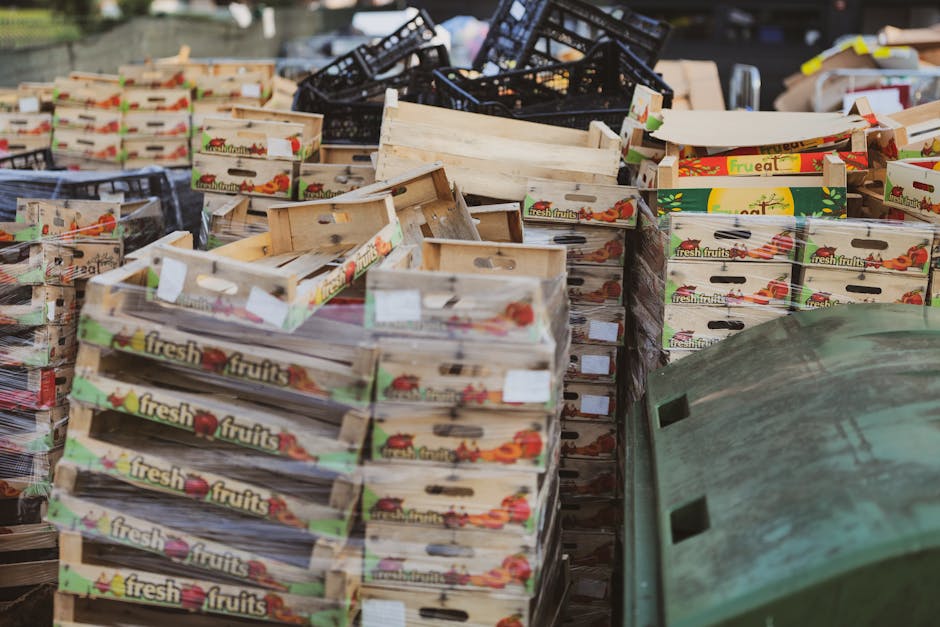
If you live in Parsons Green and you have a sofa that will not fit through the hall, a broken...
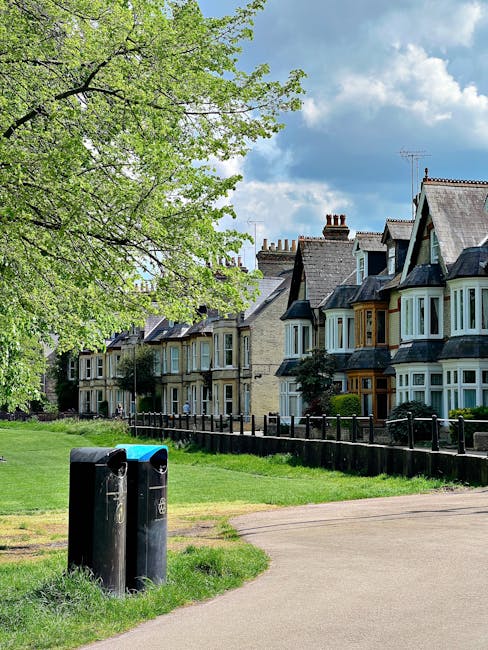
If you live on or near Fulham Palace Road, rubbish and recycling can feel oddly complicated for...

If you live, work, or are managing a property near Fulham Broadway and across SW6, rubbish has a...

Fulham, situated in southwest London, has long been recognized as a desirable location for...

London is a city full of bustling neighborhoods, each with its own unique personality and charm.
Fulham, a vibrant and lively district in London, offers an array of fantastic party venues that...

Fulham is a picturesque and vibrant neighborhood located in the London Borough of Hammersmith and...

 (91)
(91)